
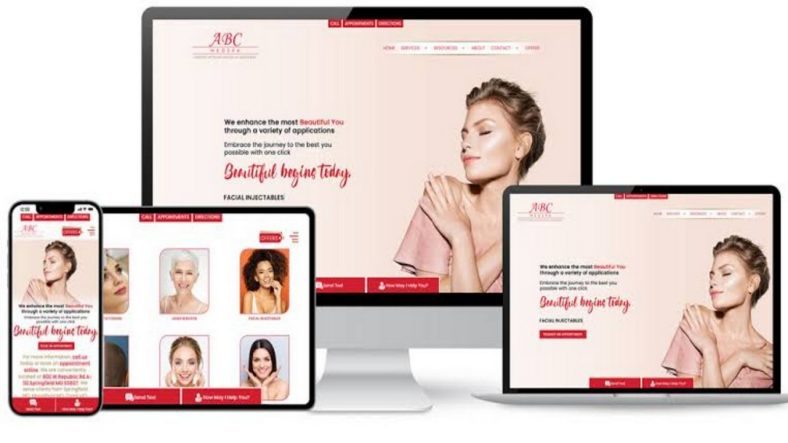
Medical and aesthetic websites occupy a unique design space. Practices like Lumine Dermatology Clinic demonstrate what high-performing clinic sites look like — visitors arrive with real concerns, want answers fast, and need to trust what they see before they book anything. Procedures such as a Chemical Peel illustrate the challenge clearly: patients are comparing clinics, reading about recovery, assessing pricing, and deciding whether they trust a provider — all before making contact. For frontend developers tasked with building or redesigning a dermatology clinic’s website, the stakes are higher than most e-commerce or SaaS projects.
This guide walks through the core UX and frontend principles that separate high-performing dermatology sites from the rest.
Why Dermatology Sites Are a Different Challenge
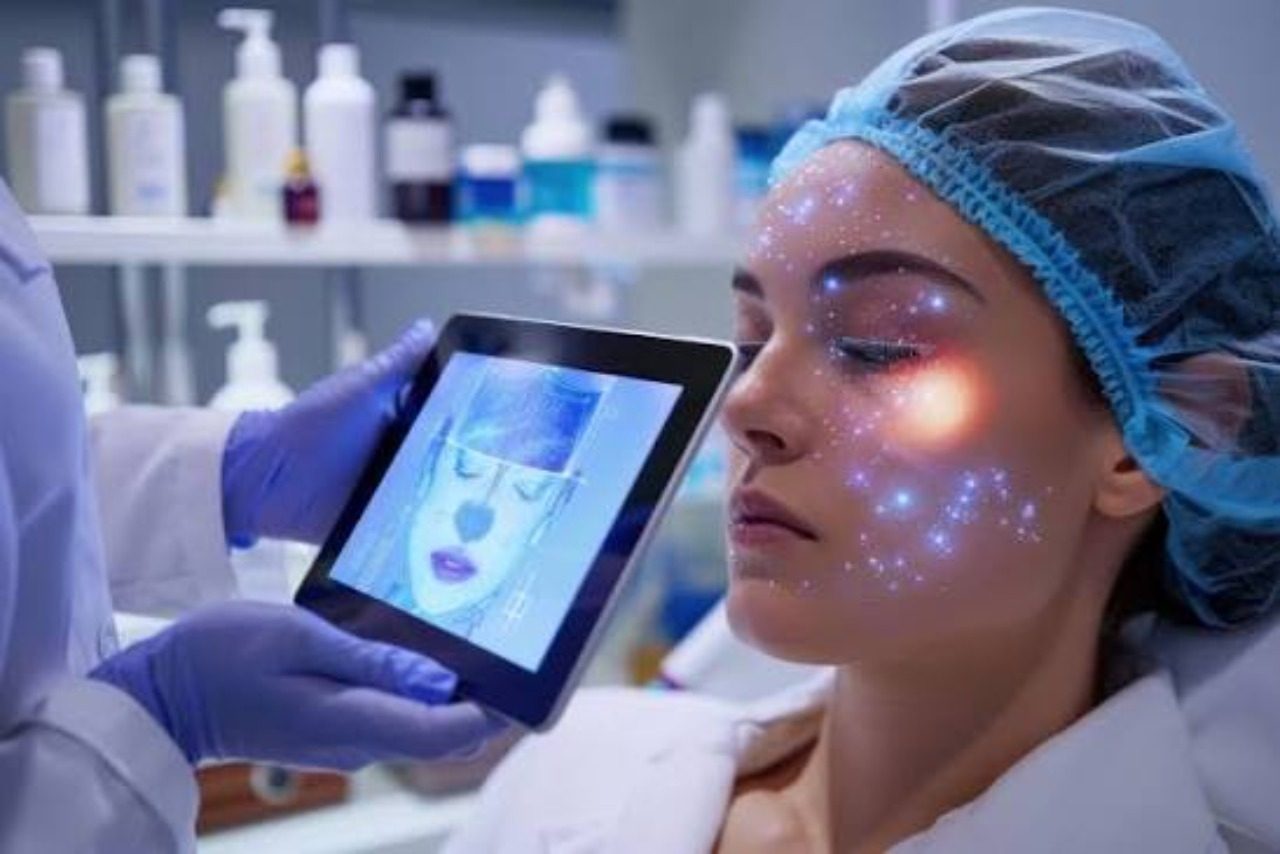
Most web projects optimize for engagement or discovery. Dermatology clinic websites need to do something more specific: convert an anxious, research-heavy visitor into a booked appointment.
Patients spending time on a dermatology site are often:
Comparing multiple clinics at once
Reading about procedures they’ve never had before
Trying to understand pricing and expected results
Assessing whether they can trust the clinic
Every frontend decision — from page load speed to typography to how a service is explained — either supports or undermines that conversion.
The Trust Architecture

Dermatology websites live and die on trust. Your design system needs a deliberate “trust layer” built into every key page.
Credentials and accreditation should appear above the fold on the homepage and on every individual doctor’s profile. Boards, certifications, and years of experience aren’t just content — they’re conversion assets. Display them prominently, not buried in an “About” section.
Before-and-after galleries are one of the highest-value elements on any aesthetic clinic site. Frontend implementation matters here:
Use lazy loading to keep initial page weight manageable
Implement a side-by-side slider component for mobile — stacked images lose impact on small screens
Always include labels (procedure name, time since treatment) directly in the image container, not just in surrounding text
Reviews and social proof should be pulled dynamically where possible (Google, Healthgrades, RealSelf) and surfaced on service pages, not just a dedicated testimonials section. A review widget near a “Book Now” CTA can meaningfully lift conversion rates.
Service Pages: Where Most Clinics Underinvest
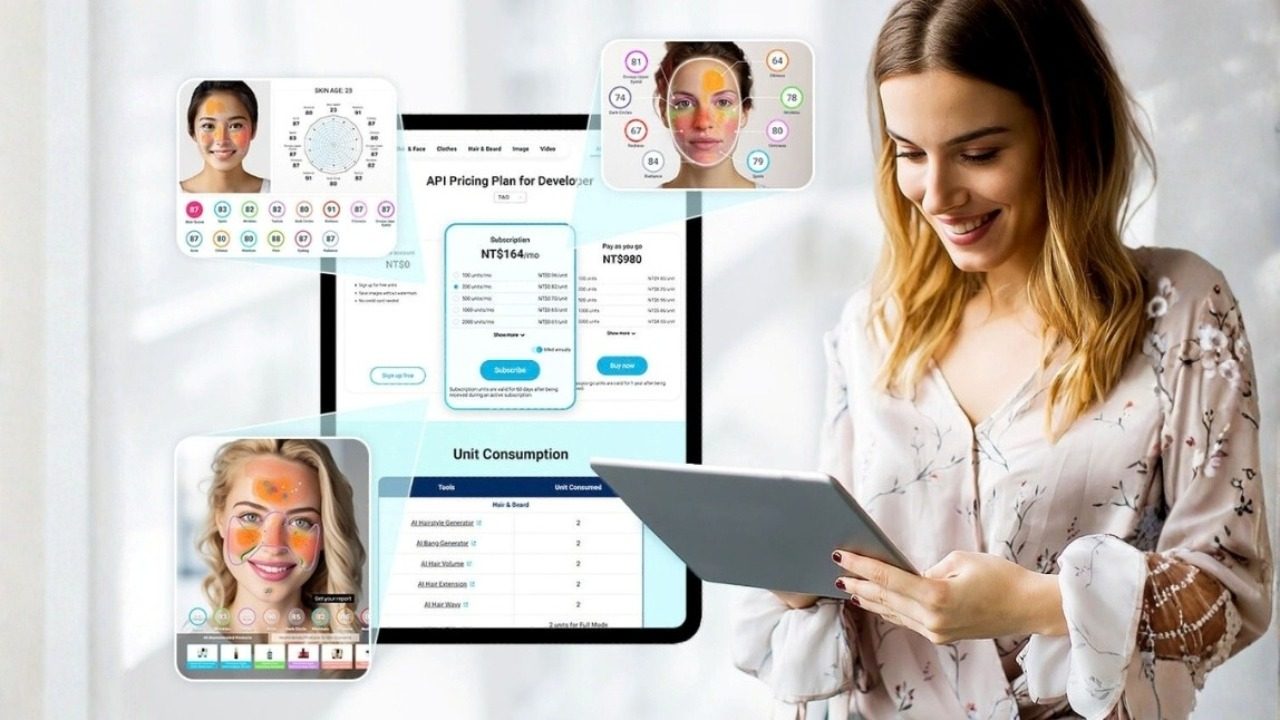
The most common mistake on dermatology sites is treating service pages as thin informational pages. In reality, service pages are where purchase decisions happen.
Take something like a chemical peel — a high-interest procedure that many patients research before ever contacting a clinic. A weak service page answers “what is this?” A strong service page also answers “what will happen to me?”, “how long will recovery take?”, “is this right for my skin type?”, and “why should I book this here vs. somewhere else?”
From a frontend perspective, structuring service pages for this level of detail means:
Using an anchor-linked table of contents on longer pages
Breaking content into scannable accordion sections for FAQs
Placing a sticky sidebar or bottom-bar CTA so booking access is never more than a tap away
Marking up the page with proper Schema.org MedicalProcedure structured data
Thin service pages also hurt SEO. If the goal is organic traffic, each service page needs to be the most useful resource on that specific treatment — not a paragraph with a booking button.
Homepage Design: The Three-Second Test

A first-time visitor should understand three things within three seconds of landing on the homepage:
What type of clinic this is
What services are available
Why this clinic specifically
Failing any one of these sends the visitor back to search results.
Hero sections should lead with a strong value proposition, not just a tagline. “Advanced skincare. Results you can see.” tells the visitor little. “Board-certified dermatology in [City] — consultations available same week” is immediately actionable.
Top-performing clinic websites pair clear service navigation with professional imagery and visible booking prompts, reducing friction between first visit and appointment. Navigation structure matters more than most developers assume. Keep the primary nav shallow — no more than 6-7 top-level items. Segment by “Treatments,” “Conditions,” and “About/Team” rather than lumping everything into generic categories. A patient searching for a rosacea solution shouldn’t have to dig through 20 procedures to find the right page.
Mobile-First Is Not Optional
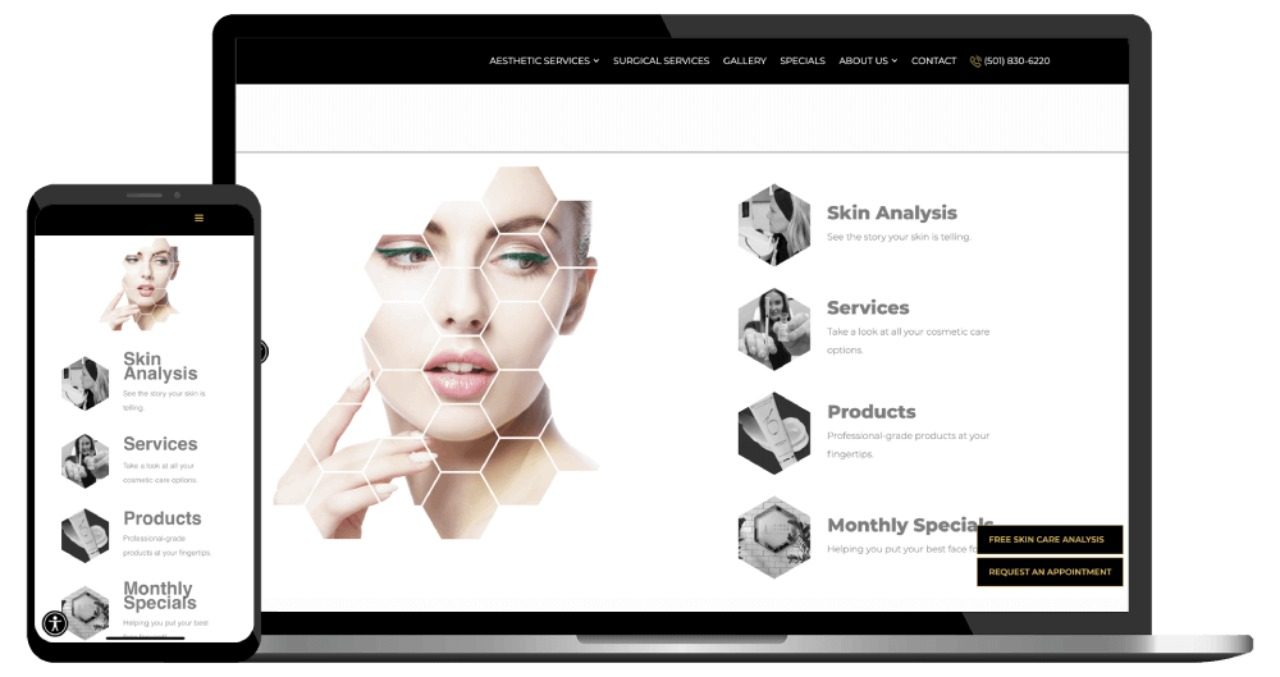
A significant portion of dermatology searches happen on mobile — particularly when someone notices a skin issue and immediately pulls out their phone. Mobile performance is not a nice-to-have.
Key frontend considerations:
Booking flows must be thumb-friendly. Multi-step appointment forms with tiny touch targets are abandoned constantly. Use large tap areas, step indicators, and auto-fill wherever possible. Consider native date pickers over custom calendar components, which often have mobile rendering issues.
Images must be optimized aggressively. High-quality skin photography is essential for credibility, but unoptimized hero images will tank your Core Web Vitals. Use srcset, serve next-gen formats (WebP or AVIF), and implement proper width/height attributes on all img elements to prevent layout shift.
Click-to-call must be instantly accessible. On mobile, a phone number that isn’t wrapped in a tel: link is a missed conversion. Put the clinic’s phone number in the sticky header or floating action button on mobile.
Accessibility and Compliance
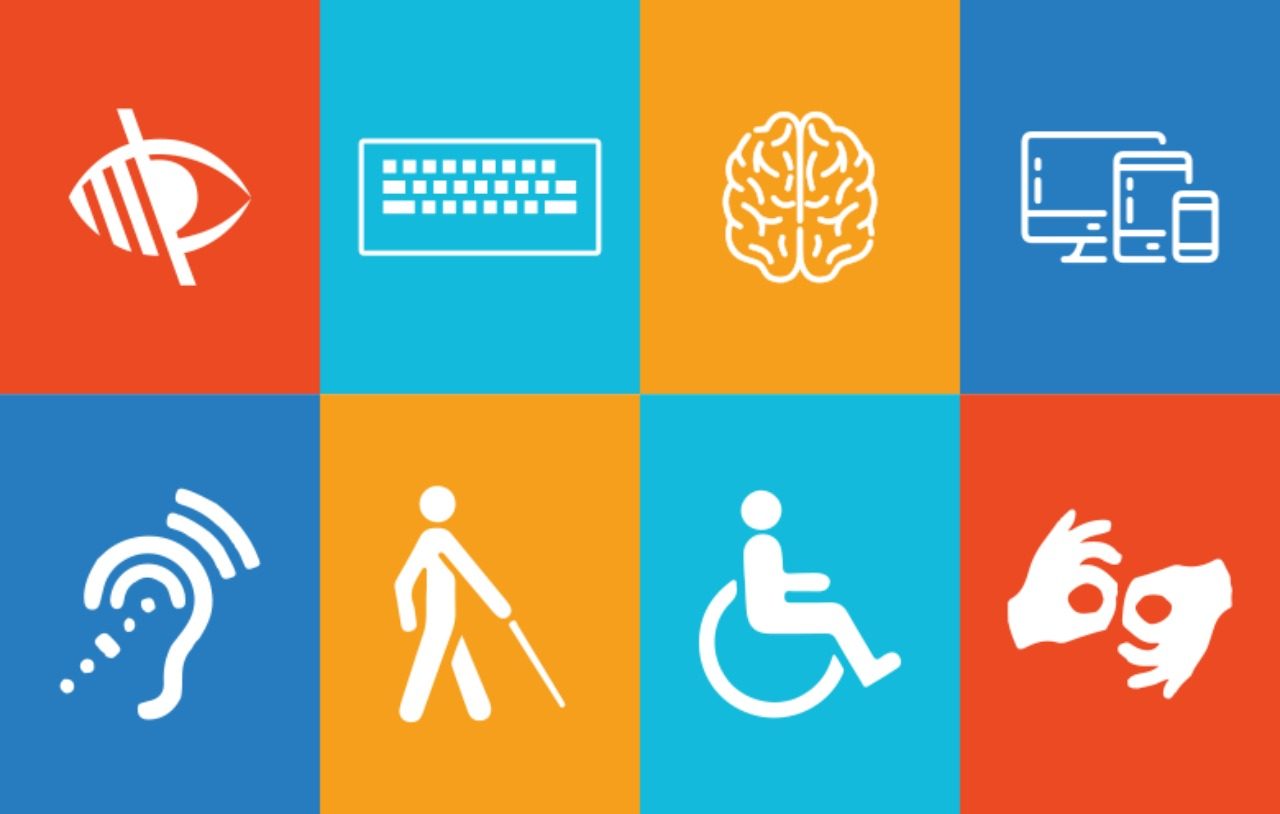
Medical websites have regulatory considerations that go beyond standard web accessibility. In the US, HIPAA compliance affects what information can be collected through contact forms. In the UK, CQC registration expectations shape what must be disclosed on clinic websites. In Singapore and Australia, local health authority guidelines govern advertising claims.
From an implementation standpoint:
Ensure all form submissions are encrypted (HTTPS is mandatory, not optional)
Avoid storing sensitive appointment or health information client-side
Use ARIA labels on all interactive elements, including before-and-after galleries and filter controls
Test your color contrast ratios — patients skew older, and low-contrast text is both an accessibility failure and a trust signal problem
Page Speed as a Conversion Factor
Slow medical websites lose patients. A one-second delay in page load time has been shown to reduce conversions by 7%. For a clinic booking 30+ appointments a week, that’s a measurable revenue loss.
Priority checklist:
Audit third-party scripts (chat widgets, review badges, analytics) — these are the most common source of slow load times on clinic sites
Defer non-critical JavaScript
Use a CDN with edge caching, especially for image-heavy before-and-after galleries
Implement Lighthouse CI in the build pipeline so performance regressions are caught before deployment
Structured Data for Dermatology
Schema.org markup helps search engines understand what a page is about and can unlock rich results. For dermatology sites, the most valuable schema types are:
LocalBusiness / MedicalBusiness — clinic name, address, phone, hours
Physician — individual doctor profiles
MedicalProcedure — individual treatment pages
FAQPage — on any page with question-and-answer content
Implementing these correctly can result in enhanced search listings, which click through at significantly higher rates than standard blue links.
Key Takeaways
Building a dermatology clinic website well requires more than visual polish. The frontend decisions you make — page structure, service page depth, mobile UX, structured data, load performance — have a direct line to how many patients book an appointment.
Treat every page as a conversion surface. Treat trust as a design primitive. And treat the patient experience as the metric that matters most, above aesthetic preferences or technical elegance.
Done right, a well-built dermatology website doesn’t just represent the clinic — it actively grows it.