
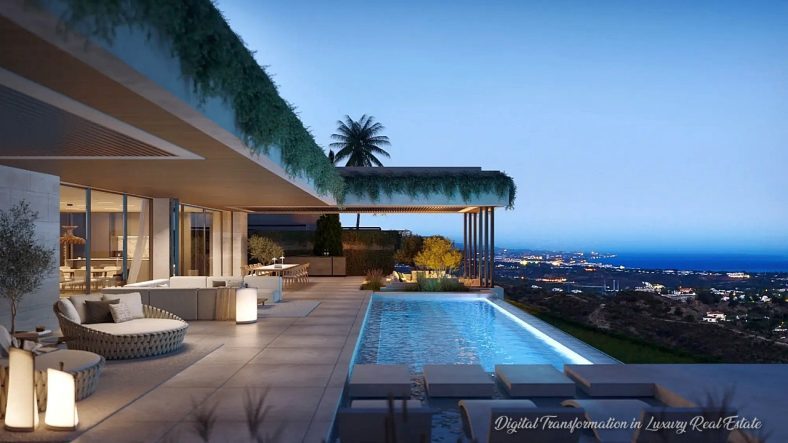
The digital revolution has fundamentally changed how luxury property buyers search for homes. Today’s discerning clients expect seamless user experiences, fast load times, and intuitive interfaces when exploring high-end real estate listings. For luxury homes in Mexico, this means developers and marketers must apply the same frontend principles that define successful web applications—responsive design, accessibility, and performance optimization—to create compelling digital showrooms.
The bridge between frontend technology and luxury real estate is more direct than it appears. When potential buyers visit DreamProHomesLuxury, they’re evaluating not just the properties themselves, but the digital experience that presents them. A poorly designed website, no matter how stunning the homes, will cost sales. Conversely, a well-engineered frontend can elevate perceived value and build trust before a single property tour.
Frontend Excellence in Luxury Real Estate Presentation
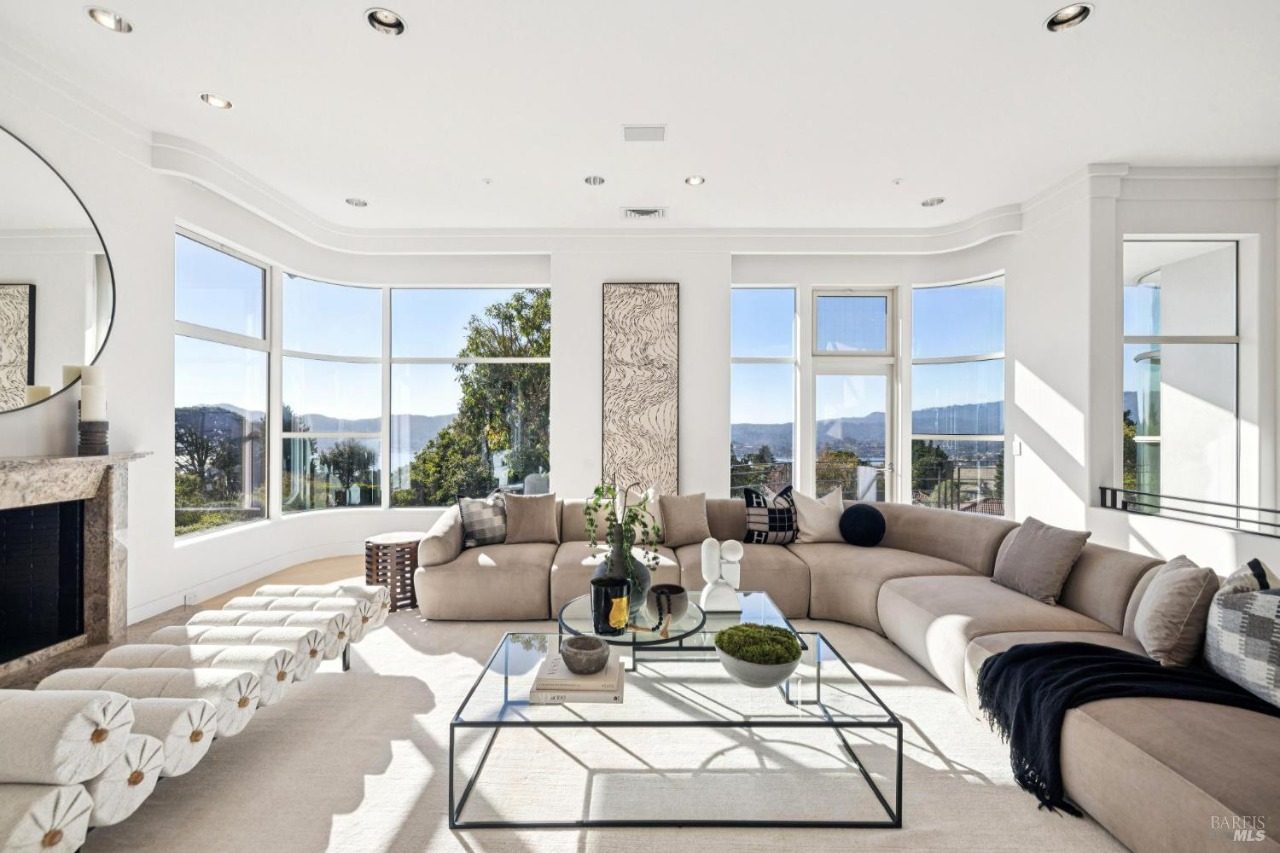
The first impression of a luxury property happens on screen. Real estate websites must load instantly, display high-resolution images without lag, and adapt perfectly to any device. Modern frontend frameworks like React and Vue enable developers to build interactive property galleries that load image tiles progressively, reducing bounce rates. When searching for houses for sale in Mexico, buyers expect features that frontend developers have been perfecting for years: instant search filters, virtual tours with smooth animations, and responsive maps showing neighborhood amenities. The luxury market demands nothing less than enterprise-grade frontend performance.
Mobile-First Design for Global Buyers
Luxury real estate in Mexico attracts an international clientele. According to recent market analysis, over 70% of luxury property searches now occur on mobile devices. Frontend developers understand that mobile-first design isn’t optional—it’s essential. This means touch-friendly interfaces, optimized images for varying bandwidth conditions, and fast Time to Interactive (TTI) metrics. A buyer in Toronto scrolling through beachfront properties in Tulum shouldn’t experience lag or layout shifts. Implementing modern CSS techniques like CSS Grid and Flexbox ensures that property showcase websites remain pristine across screen sizes. Learn more about responsive CSS at MDN Web Docs on Flexbox. The same attention to detail that makes a SaaS app successful applies directly to presenting luxury homes.
Interactive Visualization and Virtual Tours

Frontend technology enables immersive property experiences without requiring buyers to travel. Web-based virtual tours, built with WebGL and Three.js, can render 360-degree home walkthroughs that rival in-person visits. High-end luxury developers increasingly use interactive floor plans, zoomable architectural renderings, and augmented reality (AR) previews powered by JavaScript libraries. These tools lower friction in the buyer journey. When a prospect can explore a $2 million Mexico estate from their living room—panning through rooms, zooming into finishes, and viewing from custom angles—conversion rates improve significantly. Frontend excellence makes the difference between a static photo gallery and a compelling digital asset.
Data-Driven Personalization and Performance
Modern luxury real estate platforms use frontend analytics to understand buyer behavior. JavaScript event tracking captures how prospects interact with listings: which rooms they view longest, which properties they bookmark, and which calls-to-action they respond to. This data feeds personalization engines that recommend similar properties, improving engagement. Performance monitoring tools track Core Web Vitals—metrics that both users and search engines care about. A 2-second delay in page load can mean a lost sale. Frontend engineers optimize JavaScript bundle sizes, defer non-critical rendering, and implement lazy loading so luxury property sites remain lightning-fast. According to W3C Performance standards, proper frontend optimization is critical for user retention. The same optimization mindset that powers high-traffic web apps is critical for luxury real estate’s competitive landscape.
SEO and Content Integration at the Frontend Layer
Luxury Mexico properties benefit from smart content architecture. Structured data markup—implemented through frontend code—tells search engines about property details, location, price, and amenities. This rich snippet data can appear directly in search results, giving potential buyers instant property information before they visit the site. Frontend frameworks like Next.js enable server-side rendering (SSR), which improves both SEO and performance. Each luxury property listing becomes a fully indexable page with proper metadata, Open Graph tags for social sharing, and semantic HTML. When combined with editorial content that positions the company as a trusted source, frontend-driven SEO ensures the right buyers find the right properties. The convergence of frontend web development and luxury real estate will only accelerate. Progressive Web Apps (PWAs) are enabling offline browsing of property portfolios. AI-powered chatbots, built with modern JavaScript frameworks, answer buyer questions in real time. Blockchain technology, implemented through frontend interfaces, is emerging for property verification and smart contracts. Mexico’s growing luxury market will reward agencies that invest in sophisticated frontend experiences. The properties themselves are spectacular—but without excellent frontend presentation, they remain hidden. By applying proven web development principles to real estate, agencies can reach global buyers and close deals faster.